



Case Study

Edutopia
Edutopia: What Works in Education
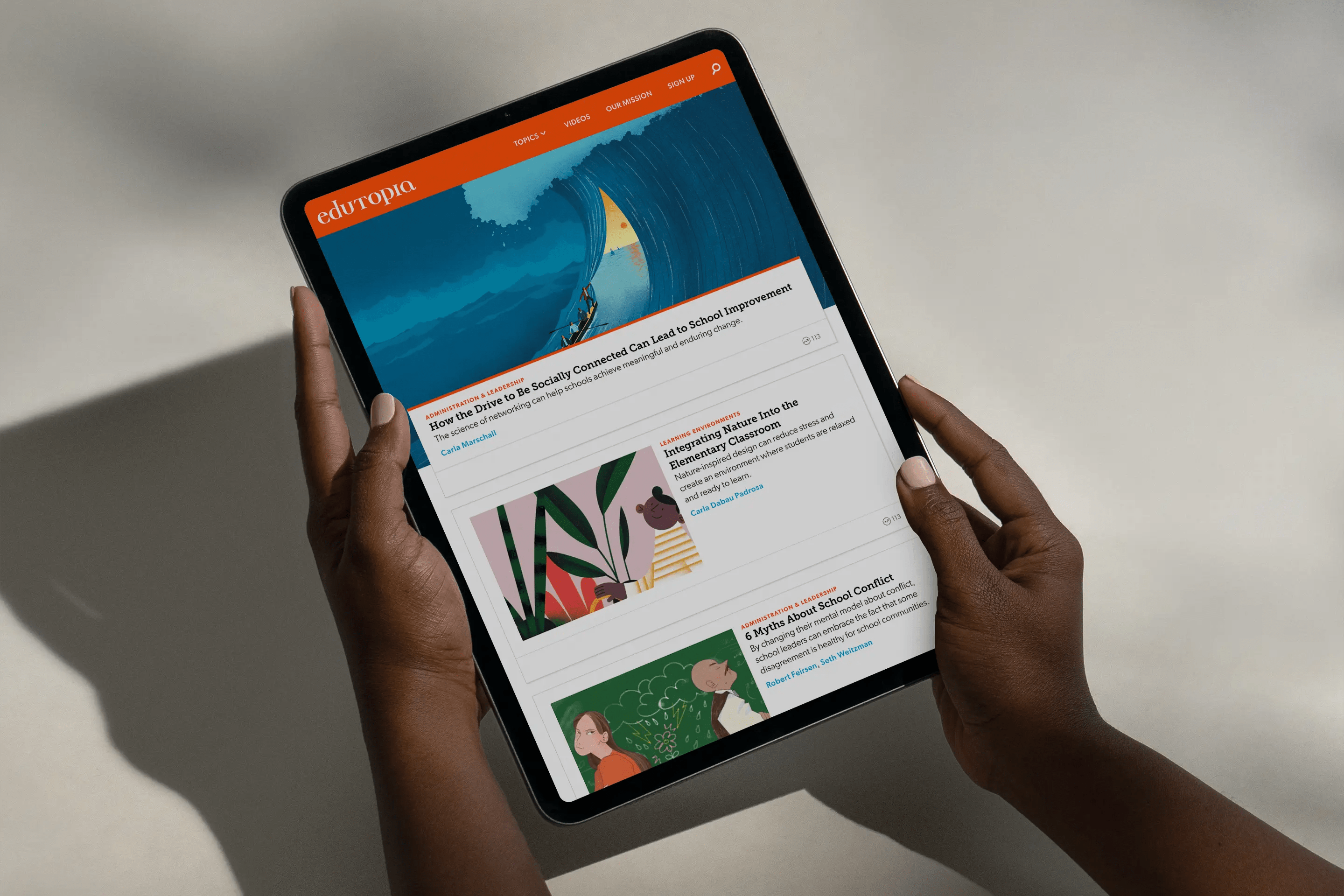
Founded in 1991, Edutopia has become a key resource for teachers, school administrators, education researchers, and parents working with students from pre-K to grade 12. As a publisher serving diverse audiences, Edutopia needed an infrastructure that could support their high volume of content production while ensuring it brought personalized, relevant content to each user.
Brands We Serve

INTRODUCTION
Edutopia was using an outdated tech stack that had become cumbersome. Using an older version of Drupal made publishing content time-consuming, making it difficult for them to develop new capabilities.
As they published upwards of five articles per day, the time commitment to upload to the site became unmanageable. They needed a system that supported their decoupled architecture and their need to publish a high volume of content. Edutopia and Trew Knowledge partnered to facilitate their migration from Drupal to WordPress.
Challenges
Creating a sustainable publishing ecosystem
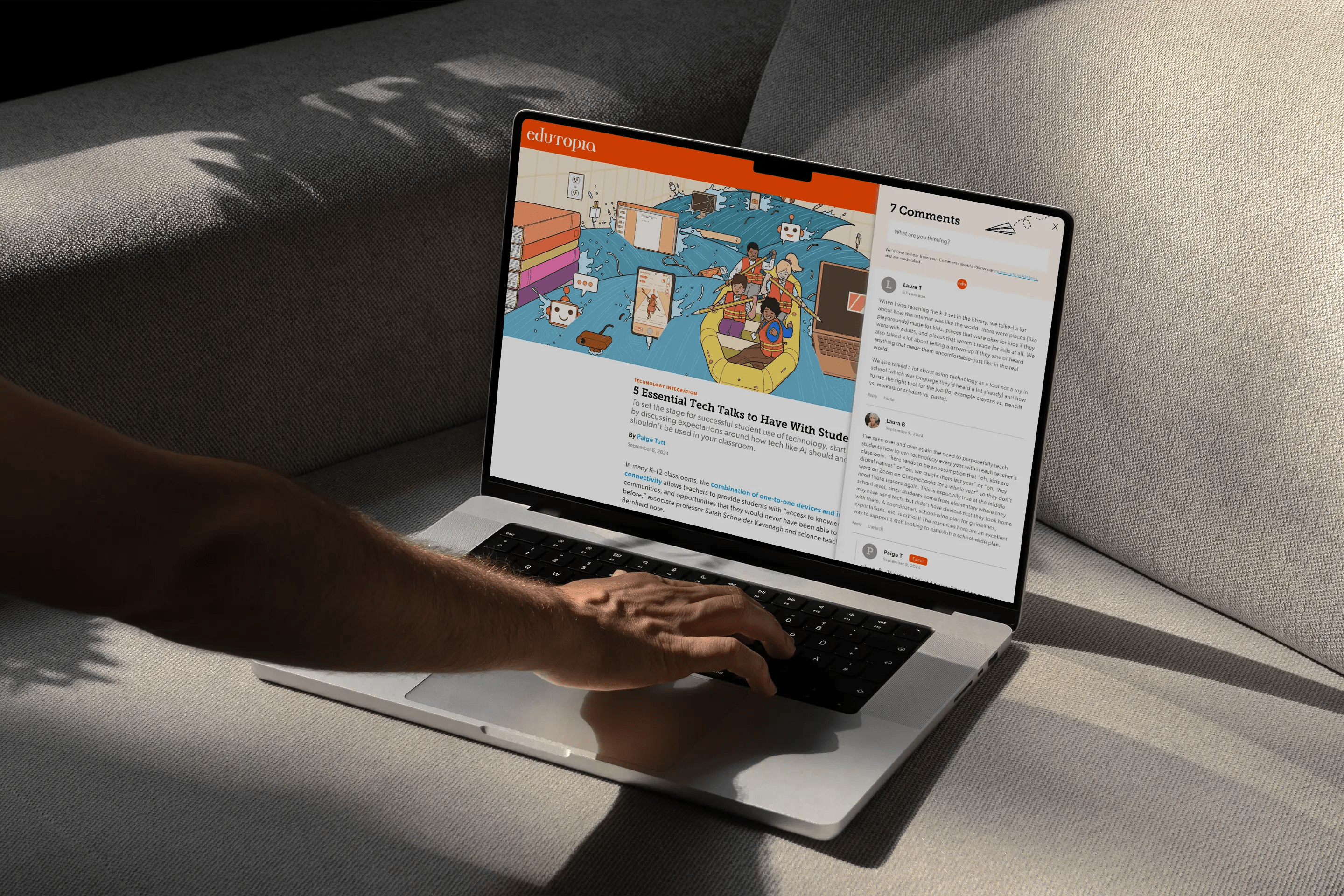
Edutopia’s writers and editors had their hands tied by Drupal’s restrictive publishing format. They spent many hours inputting and adjusting copy and images to ensure each article fit brand guidelines before publishing. By migrating to WordPress and modernizing Edutopia’s tech stack, they’re now able to publish content faster using a WYSIWYG editor. Edutopia now has a faster, scalable site that provides an intuitive user experience for their editors. They save time and money as writers can now spend more time creating content versus uploading it to the website.

Challenges
Removing roadblocks to further innovation
The team at Edutopia had a long list of customizations and features they wanted to create. But they were limited by Drupal’s capabilities and pace of production. While the Drupal site required multiple engineers to accomplish a build, they can now reallocate those resources to tackle the new ideas sitting on the backburner. Now, Edutopia can quickly and efficiently develop new features to ensure relevancy for their users through human-centered algorithms.
ai integration
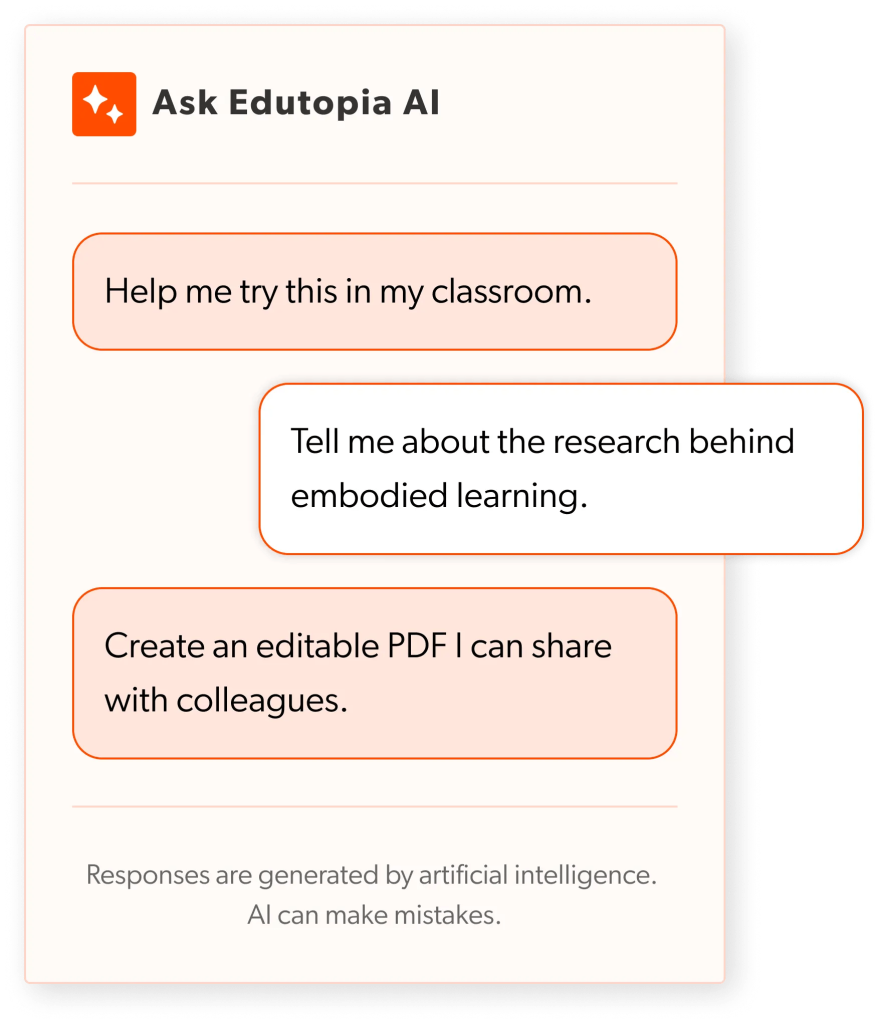
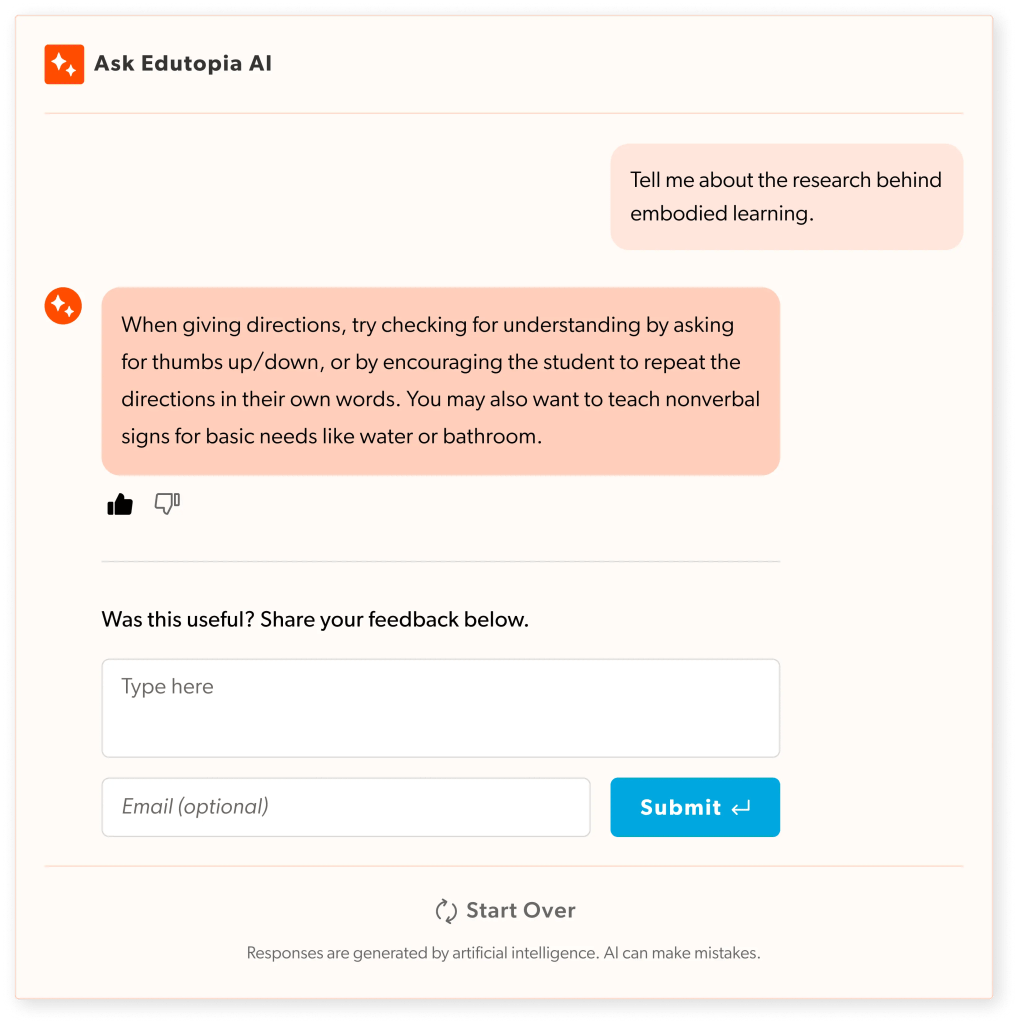
“Ask Edutopia”: A custom AI integration
As a foundation on the forefront of education, Edutopia recognizes the need to continuously innovate to help serve their users. Because of this, the team wanted to leverage WordPress’s ability to develop new features to incorporate AI into the site. Trew Knowledge was tasked with developing an AI plugin to create a more interactive experience that amplified engagement. We built an AI block that allows editors to select three pre-populated prompts related to the article’s topic. These prompts appear at the end of the article in the “Ask Edutopia AI” panel and help further engagement on the article and improve the experience for readers.
personalization
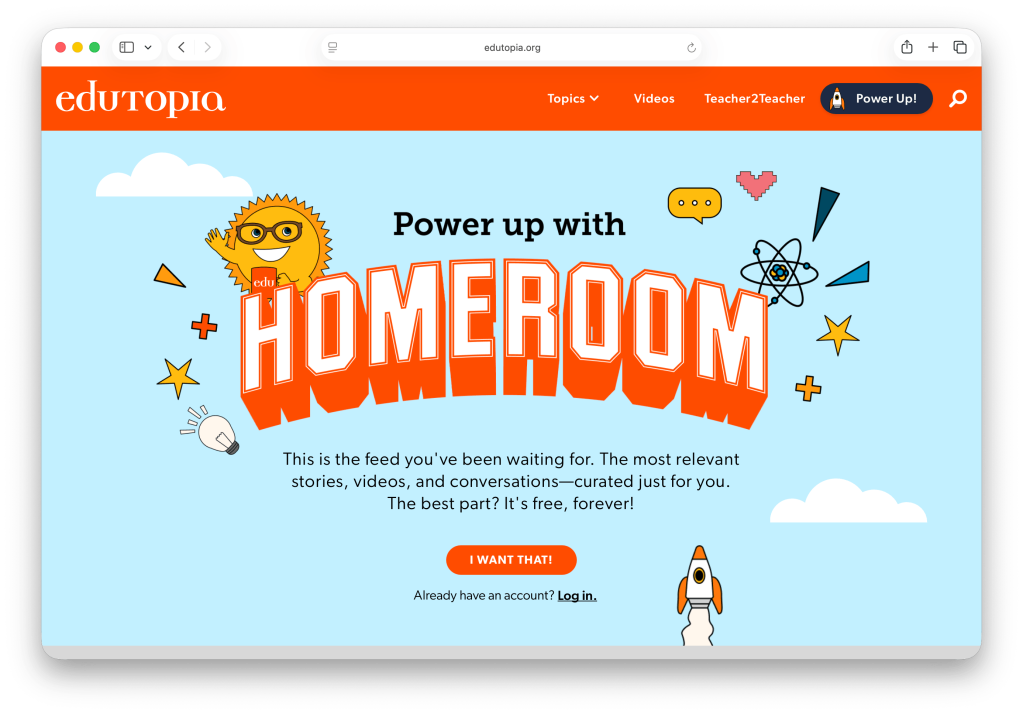
Homeroom: The future of personalized learning discovery
Homeroom is a system where AI and data work in harmony to make learning discovery personal, dynamic, and meaningful. It reimagines how educators engage with content by transforming static article feeds into adaptive learning environments.
At its core, Homeroom blends semantic understanding with graph-based intelligence. Each interaction, such as a read, a share, or a comment, becomes part of a growing network of relationships that help the platform understand what matters most to each educator. By combining advanced AI models, vector embeddings, Neo4j graph technology, and a microservice architecture powered by AWS, Homeroom continuously refines recommendations to reflect real user interests and community trends, connecting educators to ideas, peers, and practices that shape better classrooms.
community
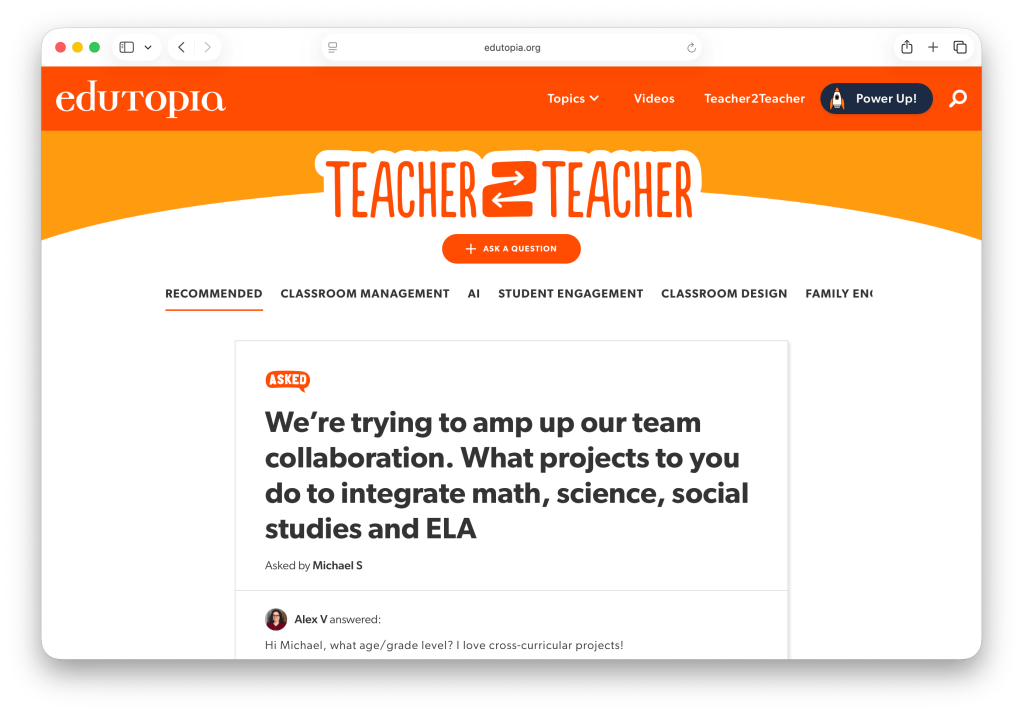
Teacher2Teacher: A space for educator collaboration
The Teacher2Teacher feature brings Edutopia’s community to life as an interactive forum where teachers, trainers, and education professionals can exchange ideas, ask questions, and share expertise. Designed to feel approachable and dynamic, it turns passive browsing into active dialogue.
Users can post questions, respond to peers, and react to comments, while smart notifications keep them engaged with timely updates. Behind the scenes, smart notifications alert users when their contributions receive replies or reactions, keeping engagement timely and meaningful. Content discovery tools also surface related discussions, helping teachers explore trending topics and connect with others who share similar interests or challenges.
The Results
Edutopia was awarded the 2024 Web Excellence Award in the Education Category. Edutopia was awarded Silver at the 2024 w3 Award in the Education Category.
10k+
Content pieces migrated from Drupal to WordPress
80%+
Reduction in content layout speed
0 mins
Downtime since migration
18%
Increase in direct traffic from Homeroom
Browse More Case Studies

Air Canada Aeroplan
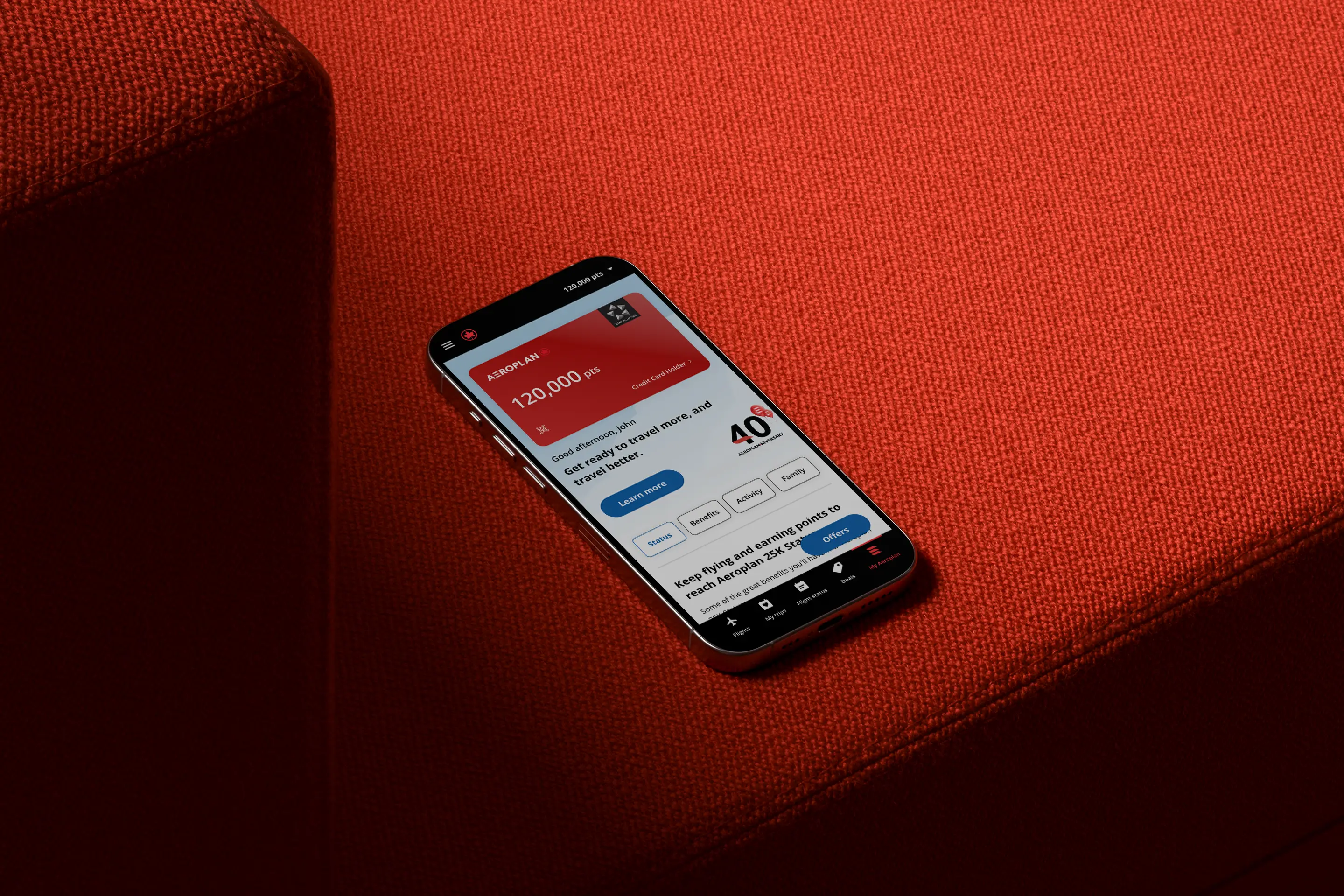
As Aeroplan, Air Canada’s frequent flier program, was evolving, its legacy system was not keeping up and needed a modernized, more secure system with an infrastructure that could support its high-level data needs.


Maple Leaf Foods
Maple Leaf Foods has been providing Canadian families with high-quality, great-tasting protein products for over 100 years under leading brands such as Maple Leaf, Schneiders, and Greenfield Natural Meats. With 10+ brands, Maple Leaf Foods needed a harmonious ecosystem to manage all websites seamlessly.