Seventeen years give a company plenty of time to build its story, but not every year stands out. Some years are about keeping things steady. Others show real progress. For Trew Knowledge, the past year has been one of those standout years.
Anniversaries often bring a bit of nostalgia. A few posts celebrating the past, a look at early milestones, and a reminder that the company has been here for a while. That’s all true. But the bigger story isn’t just that Trew Knowledge reached 17 years. It’s that, over the past year, we’ve shown what those years have built: clearer positioning, wider recognition, and work at new levels of complexity.
A Company Website That Became a Statement
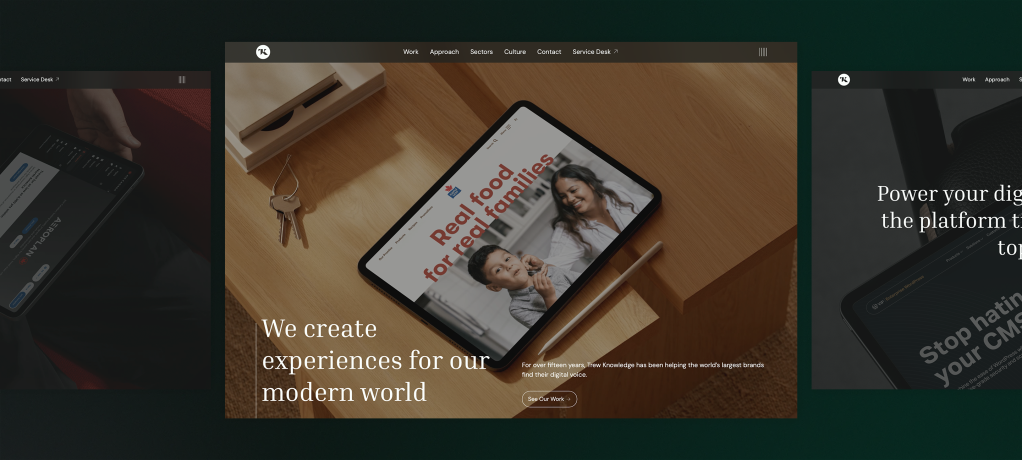
In January 2025, we launched a new Trew Knowledge website that better shows the quality and range of our work. Our main goals were to highlight our expanded services, showcase major projects, strengthen our brand, attract new talent, and give more details about the sectors we serve.
It’s easy to make big promises during a redesign. Most companies say the same things. What set ours apart was the reason for the change. Our old site no longer matched who we had become. After over 15 years of building complex digital platforms, our story needed to catch up with our real progress.
The new site is all about clarity. We chose a cleaner look and a more organized way to show our work. Instead of trying to stand out just for the sake of it, we wanted our expertise to be easy to understand. Many agency sites focus so much on being different that visitors leave unsure of what they do. We did the opposite. Our redesign gives space for our services, sector stories, culture, and case studies, without filling the site with vague claims or just nice images.
Recognition followed quickly
A few months later, in May 2025, that same site received recognition at the 15th Web Excellence Awards in the Design Agency and Digital Marketing categories. The moment was especially meaningful for us because we approached our own platform with the same level of care and rigour we bring to client work across education, finance, sports, and enterprise sectors.
And that matters because a company’s website is often its most honest expression. Client projects are shaped by many external factors, from stakeholder input to organizational constraints. Our own site, however, reflects our priorities without those limitations. Recognition in that context feels different. It validates the thinking, craftsmanship, and discipline behind how we present ourselves to the world.
In October 2025, we won a Gold Award at the 20th Annual w3 Awards for our website redesign. This competition receives thousands of entries from around the world each year, and fewer than 20% receive Gold. Our site was recognized in the Website Redesign category, highlighting both our design approach and technical work.
By then, our new site was more than just a fresh look. It became a clear symbol of where we are at 17 years later. Not brand new, not starting over, but sharper, clearer, and more confident in our identity.
Mister Pio: A Breakout Creative Story
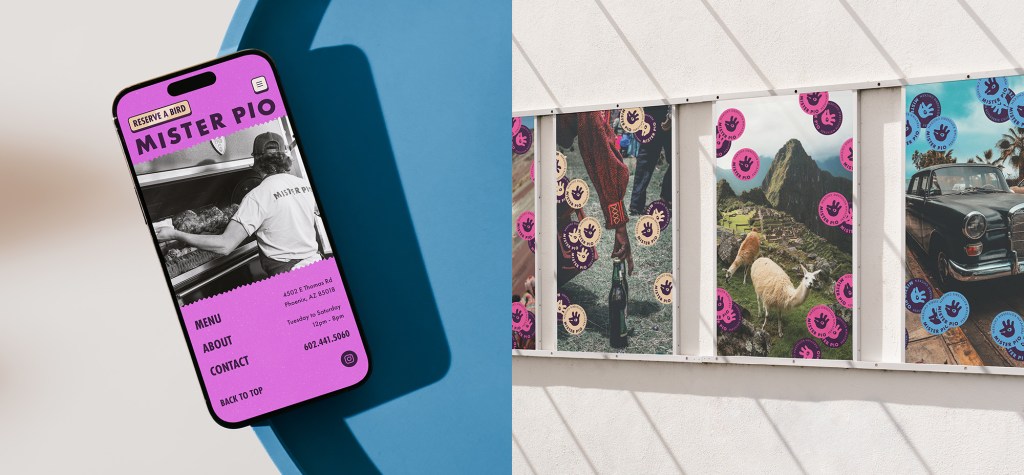
Mister Pio was never just a website project. It was a full brand creation, spanning identity, packaging, signage, merchandise, and digital experience. The work balanced Peruvian cultural roots with a modern, expressive system that carried consistently across every touchpoint. That consistency is what made the project stand out. The brand didn’t live in isolated pieces. It translated seamlessly from physical space to digital experience, creating something cohesive and intentional at every level.
The work quickly gained recognition. The project received an Honourable Mention from Awwwards and later won a 2025 RGD Branding Award in the Brand Identity – New Brand category, earning a place in the DesignThinkers exhibition. Beyond the design industry, Mister Pio also gained national attention in the restaurant space. It was included in Eater’s list of the best new restaurants in the United States, reflecting the strong reception the restaurant received at a national level.
What Mister Pio revealed about Trew Knowledge
The bigger lesson from Mister Pio isn’t just that we can create visually strong work. That’s the simple view. What matters more is that the project shows a consistent approach across branding, digital design, and development.
That kind of consistency is rare. Many agencies are strong in one area but only average in others. Brand studios may struggle with product logic, and development teams can lose a brand’s personality. Digital teams sometimes build polished interfaces for brands they don’t fully understand. Mister Pio shows a more integrated approach. The project was recognized for both brand identity and digital execution, showing how we carry an idea from start to finish without losing focus.
Edutopia: A Platform Transformation Recognized Worldwide
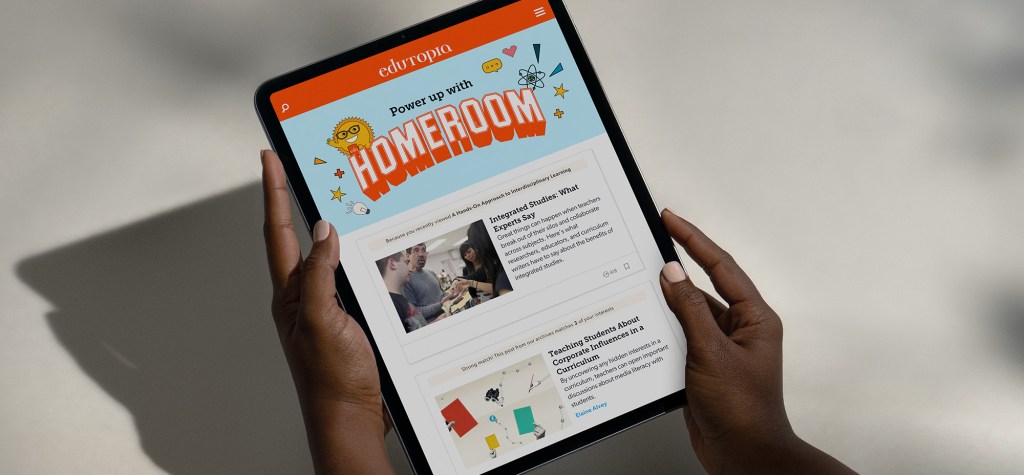
The Edutopia transformation focused on a core challenge: helping educators find the right knowledge within a vast and growing content archive. Built on a scalable WordPress platform, the new experience improved editorial workflows while making content easier to navigate and connect. But the most important shift came through two key features: Homeroom and Ask Edutopia AI.
Ask Edutopia AI redefined search. Instead of relying on keywords, educators can ask questions in natural language and receive answers drawn from trusted Edutopia content. It turns the platform into something closer to a guided knowledge experience.
Homeroom adds a layer of personalization. It surfaces relevant articles, videos, and insights based on how users interact with the platform, creating a more adaptive and meaningful discovery journey.
Together, these features move Edutopia beyond a traditional content site. The platform begins to function as a connected knowledge system, where content is not just stored, but actively surfaced and contextualized.
This shift was recognized across major awards, including the Anthem Awards, w3 Awards, and Web Excellence Awards, as well as industry presentations at DE{CODE} and WordCamp Canada.
What this innovation represents
Ask Edutopia AI and Homeroom point to a broader shift in how digital platforms operate. Content is no longer just published and organized. It becomes connected, contextual, and easier to navigate without relying on rigid structures.
With the right foundation, platforms move beyond static archives. They begin to function as knowledge systems, where information is surfaced based on intent, not just structure.
For Edutopia, this strengthens its role as a resource for educators worldwide. For us, it reflects a larger direction in how modern digital platforms are built.
Seventeen Years In, The Work Still Feels Forward-looking
A company can turn 17 and feel stable, but sometimes that just means it’s comfortable rather than moving forward. The past year wasn’t like that for us. Instead, it showed a company sharpening its identity and growing what it can truly offer.
Finding that balance isn’t easy. Growth can make a brand less clear before it gets sharper. Maturity can slow down new ideas before they lead to better decisions. This past year showed a steady, thoughtful evolution.
The Next Step: Moving Toward AI
This past year also marks the start of another change at Trew Knowledge.
For nearly two decades, we have worked with organizations across sectors such as Airlines, Education, Consumer Packaged Goods, and Finance. These industries operate in environments where data accuracy, operational agility, and technological reliability are not optional. They are structural requirements.
In those seventeen years, the tools have changed a lot. Expectations for digital systems have shifted just as fast. What hasn’t changed is the need to adapt before the industry demands it.
That mindset is now leading our next step: we’re becoming an AI-Native organization.
This transition is not happening in a vacuum. Seventeen years ago, we started with a simple belief: applying the right knowledge at the right moment produces better outcomes. That belief still holds. What has changed is the scale and speed at which we can act on it.
The experience accumulated across sectors now becomes a kind of context engine.
Experience, Applied Forward
Anniversaries usually make us look back. This one is about looking ahead.
Seventeen years of work have created a foundation of experience across industries, technologies, and systems. What the past year suggests is that this experience is beginning to operate differently. It is becoming less a record of what we have done and more a context for what comes next.
Creative work, enterprise platforms, and artificial intelligence are converging into a single field: building digital systems that are smart, flexible, and ready to grow. That’s our focus now—not just maintaining what we’ve built, but exploring what’s possible when seventeen years of experience meet new technology.
Work like this is always a team effort. It shows our team’s dedication, our clients’ trust, and our partners’ support. We sincerely thank all of them.
Let’s Build What Comes Next
Organizations today face more complex digital environments than ever. Platforms need to evolve, brands must stay consistent across channels, and new technologies like AI are changing how people find and use information.
At Trew Knowledge, we help organizations design and build digital systems that support this evolution. From brand development and enterprise WordPress platforms to AI integrations, identity systems, and ongoing support, we focus on creating digital infrastructure that grows with our clients.
If your next step involves a stronger digital platform, a more unified brand, or new opportunities with AI, we’d be happy to talk.