
Publishing has survived the search era, the social era, and the mobile era by adapting its tools. The AI era is asking for something different: not just faster publishing, but content that machines can read as fluently as people can.
For years, publishers have worked around systems that were never quite built for the pace of modern media. A CMS might store articles well enough, but managing workflows, analytics, performance, search visibility, subscriptions, and multi-channel distribution often requires a patchwork of plugins, integrations, dashboards, and manual processes. The result is familiar: smart teams slowed down by heavy tools.
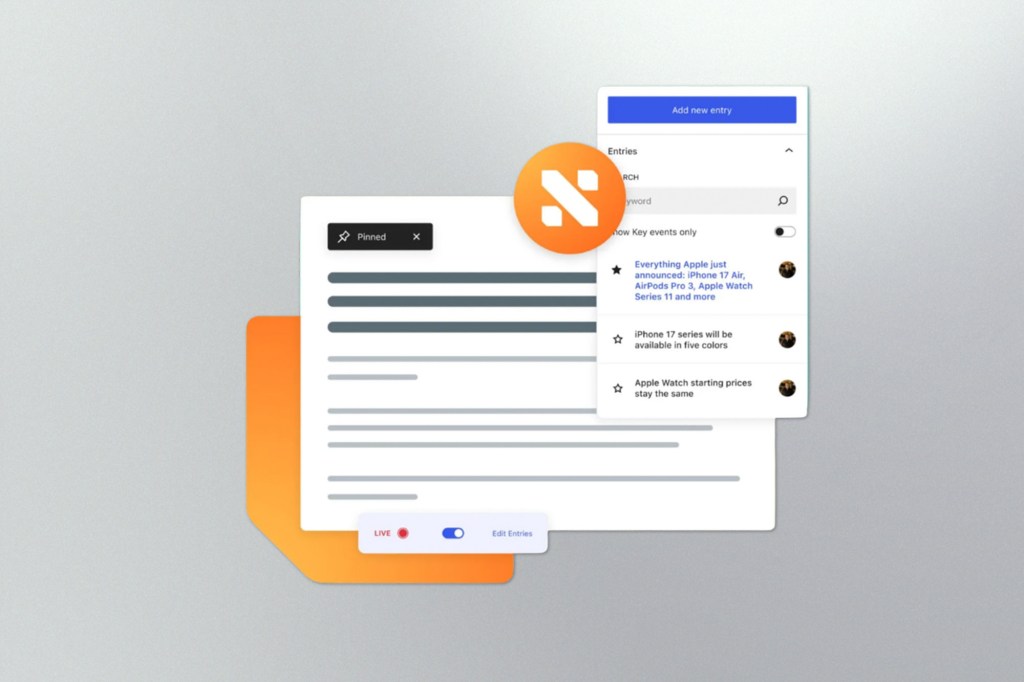
WP Engine Newsroom enters that picture with a clear purpose. Positioned as a CMS for editorial teams, it is designed to unify newsroom operations, improve publishing workflows, and support modern media companies as audience behaviour changes. The platform was introduced as part of WP Engine’s broader push into publishing, AI, performance, enterprise hosting, and agency-led WordPress innovation.
What WP Engine Newsroom Is
WP Engine Newsroom is a purpose-built platform for digital publishing organizations designed to support modern newsroom operations by helping editorial teams move faster, work with less friction, and manage content in a more unified environment.
The clearest value of WP Engine Newsroom is its focus on editorial use cases. Traditional CMS platforms often serve many industries at once, from e-commerce to corporate marketing to membership portals. Publishers have more specific pressures: editorial speed, reliable workflows, role-based collaboration, content that performs across search, social, newsletters, apps, and AI-powered discovery systems, and infrastructure that holds together when traffic spikes after a breaking story.
WP Engine’s narrative around Newsroom reflects that reality. The company has connected the platform to the changing way news is produced, distributed, and consumed, placing Newsroom inside a publishing environment where visibility is no longer measured only by pageviews and search rankings. AI-driven discovery, structured content, and machine-readable information are now part of the conversation.
Newsroom did not arrive in isolation. WP Engine has also launched AI-focused tools, including Smart Search AI, AI-Powered Recommendations, and a managed vector database. These products fit neatly into the same direction. Publishing platforms are being asked to support better search, personalization, recommendations, and AI retrieval. A CMS that cannot support those needs may begin to feel like a storage cabinet in a world that now expects an operating system.
Editorial Speed, Content Visibility, and Operational Complexity
Editorial ambition tends to outpace the platforms built to support it. The ideas are there. The workflows, integrations, and content structures that would let those ideas move at the speed the industry now demands; those are harder to come by.
WP Engine Newsroom speaks directly to that environment by emphasizing unified workflows and publishing efficiency. For media companies, the value is not simply saving time. Faster workflows affect competitiveness. A story published five minutes earlier can capture attention. A cleaner workflow can reduce burnout. A better structure can help content travel further after publication.
The business side matters too. Publishers need systems that support revenue models, not just editorial output. Advertising, subscriptions, memberships, affiliate content, newsletters, events, and sponsored content all depend on a stable content foundation. When the CMS becomes too rigid, every new revenue idea becomes harder to test.
Why Publishers Are Rethinking Their CMS Stack
The publishing industry has spent years adapting to platform shifts. Search changed. Social changed. Advertising changed. Subscriptions changed. Now AI is changing how content is discovered, summarized, cited, and surfaced.
Against that backdrop, the CMS has become more strategically important. It is not only a backend tool for editors. It affects how content is structured, how fast pages load, how metadata is handled, how teams collaborate, how stories are reused, and how machines interpret information. Many publishers are reassessing whether legacy systems can still carry that load.
The Bigger Context: AI, Search, and the Dual Audience Web
Digital content now has two audiences: the people who read it and the machines that retrieve, summarize, and cite it. WP Engine has built its publishing argument around that reality, and it is the right place to start.
Publishing has always required translation. Editors translate information into stories. Designers translate stories into readable layouts. SEO teams translate editorial value into search visibility. Now, content platforms also need to translate meaning for AI systems.
This does not mean writing for robots at the expense of human readers. It means the underlying structure of content has become more consequential. Clear taxonomy, clean metadata, semantic HTML, related content relationships, author information, publication dates, topic clusters, and content modelling all influence how information can be retrieved and understood.
WP Engine’s AI Toolkit, which includes AI-powered recommendations and a managed vector database, is a direct response to that pressure. The company’s AI Agency Trends Report also shows agencies adapting their development practices for sites that serve both human visitors and AI agents. A CMS that handles only one of those audiences well is already a liability for publishers.
What the CMS Has Become
The term “content management system” has not kept pace with what these platforms are actually asked to do. Content is modelled, governed, distributed, personalized, indexed, retrieved, summarized, monetized, and measured, and the platforms that support it have become load-bearing infrastructure in ways that only become visible when something fails. WP Engine Newsroom is positioned around that reality, packaging publishing workflows, platform performance, and WordPress flexibility into an offering built specifically for media organizations rather than adapted from a generic CMS. For organizations already on WordPress, that reduces fragmentation without requiring a platform change.
How much value that delivers depends on implementation. A publishing platform needs to be shaped around the organization, not dropped into place as a generic solution. The content model has to reflect real editorial needs. Workflows have to match how teams actually collaborate. Integrations have to connect with CRM, marketing automation, analytics, advertising, identity, subscriptions, and reporting tools. Governance has to protect quality without becoming a bottleneck.
AI raises the stakes further. AI-powered search and recommendations are only as strong as the content, metadata, permissions, and retrieval logic behind them. A managed vector database can support better discovery, but poorly structured content does not become useful because AI is added on top. The surrounding architecture still carries the weight.
No platform substitutes for that work. But the right platform means teams spend less time negotiating with their tools and more time building on top of them, and in publishing, that difference compounds quickly.
The Role of Agencies in the Ecosystem
Agencies remain a major part of WP Engine’s strategy. A platform is a starting point. What publishers actually need is a system configured around how their organization works. Strategy, architecture, design systems, integrations, governance, accessibility, performance, analytics, and ongoing support all shape the final result. Agencies translate platform capability into working systems. WP Engine Newsroom may provide a stronger product foundation for publishers, but implementation still determines how well that foundation fits a specific organization. A media company with multiple brands, subscription models, regional editions, and complex editorial roles will need more than a standard setup. The platform needs to reflect how the organization actually works.
The best publishing systems feel simple to editors because the complexity has been handled thoughtfully behind the scenes. Trew Knowledge is a WP Engine Agency Partner with specialized experience across the full stack of WP Engine services, from managed hosting strategy and headless WordPress builds on Atlas to Smart Search implementation, Newsroom editorial platforms, and multi-site Blueprint ecosystems. For Canadian organizations, Trew Knowledge deploys exclusively to WP Engine’s Montreal and Toronto data centres, ensuring PIPEDA compliance, full data residency within Canadian borders, and materially better latency for local audiences.